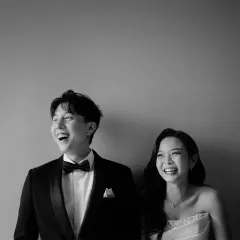

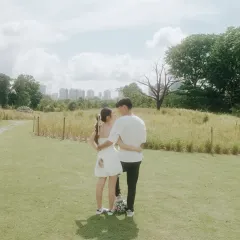

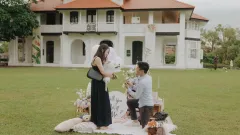

After filming weddings in Singapore, one thing becomes very clear. Many couples regret not having a wedding videographer, and only realise how much it mattered when it is already too late.
And even when they do hire one, the regrets usually come from what was missed, rushed, or never captured properly.
I have seen this most often around vows, speeches, and the quieter moments between formal events.
At a glance
- Many couples only realise the value of wedding videography after the wedding day is over.
- Audio is one of the biggest make-or-break factors, especially for vows and speeches.
- The films couples value most usually come from clear priorities, not just beautiful footage.
Key takeaways
- The biggest regret is often not booking wedding videography at all, or underestimating how much it would matter later.
- Clear vows and speech audio matter more than most couples expect when they watch the film back years later.
- Generic wedding films usually start with weak planning and poor communication, not just weak editing.
- The most meaningful films happen when the videographer knows which people, traditions, and in-between moments matter most.
1. We Thought We Could Skip Wedding Videography
For many couples, this is the regret that sits above all the others.
Photos feel easier to justify at first. They are visible straight away, easy to share, and already treated as essential in most wedding budgets. Video sometimes feels optional until the wedding is over.
What often happens
- Couples only realise later that photos cannot preserve voices, movement, timing, and atmosphere in the same way.
- Parents’ reactions, the way vows were spoken, and the energy of the room become harder to remember over time.
- Video becomes more meaningful as the years pass, not less.
How to avoid it
Decide whether you want to preserve only how the day looked, or also how it sounded and felt. That is usually the real decision, not whether video is “necessary.”
For couples who do book videography, the next regrets are usually not about having video. They are about how key moments were captured.
2. We Did Not Capture Our Vows Properly
This is one of the most painful regrets because vows happen once.
If the audio is unclear, thin, or missing, there is no honest way to recreate that moment later.
What often happens
- No individual microphones are used for the couple.
- The venue sound system is relied on too heavily.
- Camera audio is treated as the main source instead of the backup.
- In Singapore hotel ballrooms, echo and distance can make vows sound far worse than couples expect.
How to avoid it
Ask exactly how vows will be recorded. A solid setup should include dedicated microphones, backup recording, and a plan that does not depend on one source alone.
And in many cases, those problems begin earlier, when couples make decisions based on what looks affordable rather than what really matters in the final film.
3. We Focused Too Much on Price
This is understandable. Weddings are expensive, and couples have to make difficult decisions across many vendors.
The regret usually comes later, when the film feels flatter than the day itself.
What often happens
- Coverage feels basic rather than thoughtful.
- Important transitions are missing.
- Audio quality is weak.
- Editing feels rushed, generic, or emotionally underdeveloped.
How to avoid it
Compare value, not just package price. Look at full films, not only highlights, and pay attention to how the work handles audio, pacing, family moments, and emotional continuity.
Choosing based on price alone often affects more than coverage. It can also shape whether the final film feels layered and cinematic, or flat and forgettable.
4. Our Video Looked Flat and Uninspired
Some wedding videos capture the day clearly, but still feel visually underwhelming when couples watch them back.
The moments are there, but the footage can feel flat, static, or lacking in atmosphere. Instead of drawing you back into the day, it simply shows what happened.
What often happens
- Lighting is not handled well, especially in dim venues or hotel ballrooms.
- Shots feel static, with little depth, movement, or variation.
- Framing does not make the couple or setting feel intentional.
- The final film looks dull and flat, with little storytelling or cinematic depth.
How to avoid it
Look beyond whether a videographer can capture moments. Pay attention to how they use light, composition, movement, and pacing. A strong wedding film should not just document the day. It should make it feel vivid, layered, and alive.
And that visual flatness does not only come from the edit. It often begins with how the day is observed, framed, and shaped while it is unfolding.
Singapore reality
In Singapore weddings, the emotional range can shift very quickly: gatecrash energy in the morning, solemnisation stillness, tea ceremony family emotion, and banquet speeches later in the day. If a film cannot handle those shifts well, it can end up feeling flat and emotionally uneven.
5. We Did Not Communicate What Mattered to Us
On the wedding day, things move quickly. Your videographer can only prioritise what they know to look for.
When the context is missing, the film may still look good, but it may not feel deeply personal.
What often happens
- Important family relationships are not flagged early.
- Meaningful traditions are captured without context.
- Sensitive moments are missed because no one explained why they mattered.
How to avoid it
Before the wedding, share the people, relationships, and traditions that matter most to you. Even a short conversation about family dynamics and priorities can change the film significantly.
When those priorities are not shared clearly, it becomes much easier for the quieter moments to slip past unnoticed.
6. We Missed the Small In-Between Moments
The obvious moments are easy to identify: vows, march-in, speeches, tea ceremony, first dance.
But the moments couples often come back to later are quieter.
What often happens
- A parent reacts from the side of the room and no one catches it.
- Friends share a quick laugh while waiting between events.
- A couple has a calm pause together that never made the programme sheet.
- The transitions between formal events are treated like dead time rather than part of the story.
How to avoid it
Choose someone who knows how to observe, not just react. In-between moments are rarely staged. They are noticed, anticipated, and preserved because the videographer is paying attention.
Some missed moments are visual. Others are heard most clearly in the parts of the day couples often treasure later, especially the speeches.
7. The Speeches Did Not Sound Good
Speeches are often some of the most emotional parts of the day. They are also one of the easiest things to get wrong technically.
This matters even more at dinner banquets, where room noise, clinking cutlery, and venue acoustics can work against you.
What often happens
- The microphone feed is not captured cleanly.
- Voices are drowned out by room sound.
- Volume levels jump between speakers.
- Backup recording is missing when the venue system behaves badly.
How to avoid it
Ask how speeches will be recorded before the wedding day. Direct feed capture, backup audio, and proper post-processing make a much bigger difference than most couples realise.
And like many wedding video regrets, the full weight of that loss often does not sink in immediately.
8. We Did Not Realise How Much This Would Matter Over Time
Some regrets show up immediately. Others grow slowly.
This is one of them.
What often happens
- Right after the wedding, couples focus more on photos.
- Months or years later, the value of hearing voices and seeing movement becomes much clearer.
- The film becomes less about the event itself and more about memory, family, and emotional continuity.
How to avoid it
Try to think beyond the first few weeks after the wedding. Ask what you will want to revisit years from now, not just what feels useful immediately after the day ends.
That is why the best wedding films are rarely the result of luck. They come from thoughtful decisions made before the wedding day begins.
What to ask a wedding videographer before booking
- How do you record vows and speeches, and what backup audio do you use?
- Can we watch a full film, not just a highlight reel?
- How do you approach the quieter in-between moments during the day?
- What do you need from us before the wedding to make the film feel personal?
- How do you handle weddings with multiple locations, traditions, or tight timelines in Singapore?
- Will the same person filming also be the one shaping the final edit?
What couples who are happiest with their films do differently
The couples who tend to love their wedding films years later usually do a few things differently.
- They do not treat audio as a minor detail.
- They choose someone whose work feels intentional, not templated.
- They communicate what matters to them before the wedding day.
- They think beyond coverage and ask how the day will be remembered later.
Conclusion
Most wedding video regrets are avoidable.
For some couples, the regret is not having a wedding videographer at all. For others, it is only realising after the wedding what was missed, rushed, or never captured properly.
The real value of wedding videography usually becomes clearer with time. That is exactly why the right decisions matter before the wedding day arrives.
Watch how that feels in real weddings: Watch films · About Aloysius · Read the wedding videography guide · Check availability
FAQ
Is wedding videography worth it in Singapore?
For many couples, yes. Singapore weddings often move through several emotional and logistical chapters in one day, and video preserves the voices, movement, reactions, and atmosphere that photos alone cannot fully capture.
What should I look for in a wedding videographer?
Look beyond visual style. Pay attention to audio quality, storytelling, how full films feel from start to finish, and whether the work still feels personal rather than templated.
Why do some wedding videos feel more emotional than others?
It usually comes down to clear audio, stronger storytelling choices, and whether real reactions and in-between moments were noticed and preserved well.
When should I book a wedding videographer in Singapore?
As early as you reasonably can once your date and venue are confirmed. Good videographers are often booked well in advance, especially for peak wedding dates in Singapore.